

Praha hostila mezinárodní setkání partnerů projektu V4 Partnership for Inclusive Education
13. července 2026
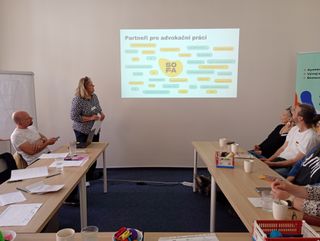
V rámci partnerství visegradského projektu na podporu inkluzivního vzdělávání „V4 Partnership for Inclusive Education“ realizovaného maďarskou organizací Civil Kollégium Alapítvány (Civil College Foundation) jsme ve dnech 27. 4. – 29.4. 2026 zorganizovali v Praze mezinárodní setkání, jehož se zúčastnili čtyři kolegové z Maďarska a pět kolegyně ze slovenské Plarformy rodín detí so zdravotným znevýhodnením. Hlavním cílem projektu je vzájemná inspirace v oblasti inkluzivního vzdělávání a posilování kompetencí rodičů a učitelů ve visegradském regionu v podpoře dětí se speciálními vzdělávacími potřebami (zejména se zdravotním postižením) ve školách. Nedílnou součástí je také advokacie individuálního přístupu k poskytování podpůrného opatření asistent pedagoga a celkově více inkluzivní přístup ve školách.
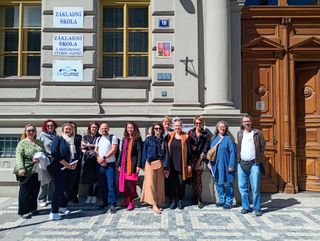
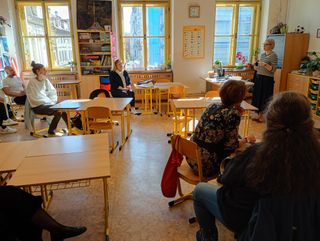
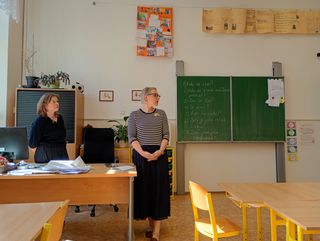
První den setkání jsme s kolegy absolvovali společnou večeři a plodnou diskuzi nad společnými tématy. Druhý den byl pak věnovaný celodennímu programu, který začal společnou procházkou centrem Prahy do základní školy nám. Curiových. Zde jsme absolvovali debatu s vedením školy a následně ve třech skupinách navštívili výuku v různých třídách, kde se společně s dětmi intaktními vzdělávají také děti s různým znevýhodněním. Po obědě následoval program u nás v SOFA, který zahrnoval informace o našich advokačních aktivitách, právní úpravě inkluzivního vzdělávání a také inspirativní setkání se dvěma maminkami dětí s různým zdravotním postižením, které sdílely své zkušenosti s inkluzivním vzděláváním. Po společné večeři kolegové vyrazili do víru noční Prahy a následující den ráno se vydali zpět do svých domovů.
V rámci projektu jsme již v březnu navštívili Bratislavu, kde nám kolegové ze Slovenska připravili taktéž nabitý program. Na podzim se pak chystáme do Budapešti na závěrečnou konferenci. Těšíme se na další spolupráci!
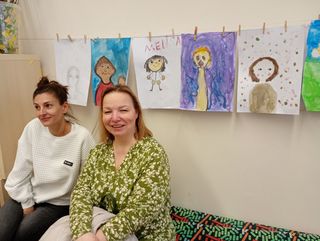
Níže sdílíme zaslané reflexe:
Z Prahy som si odniesla najmä pocit spolupatričnosti. Stretnutie s kolegami z Čiech a Maďarska, ktorí riešia podobné výzvy a súčasne prinášajú nové pohľady, bolo pre mňa veľmi obohacujúce. Inšpirovalo ma, koľko odhodlania, odbornosti a ľudskosti je v tejto našej komunite.
Návšteva základnej školy mi priniesla nádej. V triede bolo ako v úli, príjemne bzučiacom a prirodzene organizovanom. Súhra pani učiteľky, asistentiek a detí bola taká, že sa mi nedarilo odhadnúť, ktoré z týchto detí majú špeciálne potreby. Po chvíli som hádať prestala. Nemalo to zmysel, lebo všetci boli IN. A práve taká by INklúzia mala byť.
Zuzana Suchová, expertka pre advokačné aktivity, Platforma rodín detí so zdravotným znevýhodnením
Návšteva partnerskej organizácie SOFA v Prahe bola pre mňa veľmi prínosná a povzbudzujúca, nielen po pracovnej, ale aj po osobnej stránke. Veľmi silno vo mne zarezonovala možnosť vidieť naživo vzdelávanie bežnej základnej školy, v ktorej sú prirodzene začlenené deti s rôznymi potrebami. Utvrdilo ma to v presvedčení, že ak existuje vôľa hľadať riešenia a spolupracovať, inklúzia prináša prínos všetkým zúčastneným. Mimoriadne ma zaujal rešpektujúci prístup pedagógov a spôsob, akým vytvárali priestor pre všetky deti bez ohľadu na diagnózu či individuálne potreby. Takéto príklady dobrej praxe potrebujeme ako soľ. Teším sa na ďalšiu spoluprácu.
Viera Kondelová, koordinátorka siete peer poradenstva, Platforma rodín detí so zdravotným znevýhodnením
Najsilnejším zážitkom z Prahy bola pre mňa návšteva školy, kde sme mali možnosť vidieť inklúziu v praxi. Nadchlo ma, ako mali nastavenú podporu pre deti, ako fungoval podporný tím a ako prirodzene hľadali spôsoby, aby každé dieťa mohlo byť súčasťou kolektívu. Zároveň som si celú dobu hovorila, o koľko jednoduchšie by boli posledné roky pre našu rodinu, keby mali moje deti možnosť chodiť do podobnej školy. Najväčší rozdiel medzi ČR a SR som pritom nevnímala ani tak v legislatíve, ale skôr v prístupe ľudí a v tom, že namiesto hľadania dôvodov, prečo niečo nejde, hľadali spôsoby, ako to urobiť. A vďaka stretnutiu s organizáciami, ako je SOFA, som si uvedomila, že na Slovensku nám stále chýba organizácia, ktorá by tému inklúzie dlhodobo ťahala a prepájala jednotlivých aktérov.
Alexandra Dobrotková, peer poradkyňa, Platforma rodín detí so zdravotným znevýhodnením
Thanks to the CKA’a and its partners Visegrad Foundation grant, I had the opportunity in recent days to visit a state school in Prague and attend professional lectures. We sat in on a 4th-grade lesson: 29 children, 12 of whom live with some form of difficulty, and 9 are exceptionally gifted. And it works. Not in silence, not in a military fashion, but in a living way. They sit in islands; there is a lot of group work. The children talk and buzz, yet they pay attention and raise their hands. The atmosphere is relaxed and active. Someone goes out, someone else takes out a tool, and one little boy sits with a fidget. Whoever is finished goes to the teacher and receives a new task. For several questions, they have to shout the answer together; the educator counts down, and the children enthusiastically yell the solution. 🙂 The assistant is constantly present, walking around, watching, and helping where needed. The teacher does not discipline but provides a framework. At the end of the lesson, they close their eyes and think over how they worked together and how they evaluate their own performance.
During the break, we talked a little with the teacher:
-
children here attend primary school for 9 years
-
where there is a child with special educational needs (SEN), there is an assistant (from grades 0–9)
-
assistants consult with the counselor weekly
-
in the lower grades max. 25 hours / week, in the upper grades they are also at school for an extra two afternoons
-
there is half an hour for lunch
-
in the lower grades, narrative evaluation instead of grades
-
teamwork between the educator, counselor, and parent
-
there is no homework, or only very little
-
oral exams or electronic written exams are common, but it is more typical for them to do a presentation
-
they learn a foreign language from the first grade, and a second one from the upper grades
-
there is a psychologist and a scial pedagogue
-
every child has a locker; they change shoes in the morning, and the older ones are in slippers all day too
-
there is no buffet in the school, but there are food and stationery vending machines
The teacher told us that inclusion was only taught formally at the university, so when she started teaching, she had to experiment with methodologies and develop so that the children "wouldn't eat her for breakfast." She said that educators are appreciated; at the beginning of every year, there is communication help, etc. Every half year, it is mandatory for them to participate in some kind of further training. The selection is large, and during the courses, they are entitled to leave, pay, and substitution.
In the afternoon, the lectures essentially "put together" what we experienced in the morning. We could see that this effectively functioning setup is not a question of "good children" or a "good teacher," but a result of the system.
-
Inclusion does not work because we "allow" presence, but because there is support, structure, and cooperation around it.
-
They think on multiple levels; every child is entitled to individual, targeted assistance.
-
They do not just solve individual situations but build a functioning environment.
There was another very strong thread as well: on paper, many things are in order (legislation, rights, opportunities), but in practice, whether it works also depends on whether there are people, time, and intent for it. One of the parent presentations, where we learned about the story of a child with a physical disability, stated this very accurately: The stairs are not the biggest obstacle, but rather when the system is unwilling to adapt.
A few months ago I wrote: "When we label a child as 'difficult,' it always occurs to me: what support have they received so far? Did they and the family receive real help, or just a piece of paper (if at all), and told to 'solve it yourself'? Did the institution receive extra people, tools, training, time? Or just that they must integrate, and then 'it would be good if they didn't disturb'? Because if the answer to any of these questions is no, then it is hard to honestly say that a child is not, or is difficult to, integrate. It may be that the child is not unsuitable – but the system is not supportive."
It was good to see a functioning, truly inclusive class. I hope we meet as many of these as possible at home soon!
Judit Brókés, Civil Kollégium Alapítvány
We became acquainted with an enviable inclusive educational model during our visit to Prague, when we gained insight into the life of a state school. The building is similar to those in our country, but the education taking place inside it was a huge experience for all of us.
We participated in a language lesson in a lower grade class with a relatively large number of students (29), and 12 students involved in some form participated in the lesson. From the first moment, it was perceptible that this was a very well-coordinated little class with an extremely well-prepared, firm educator and an assistant playing an important role in the background. It was a very smooth, truly enjoyable language lesson; it’s true we didn't know the Czech language, but this did not represent an obstacle since the gestures and intonations revealed everything!:)
The teacher kept the lesson firmly in hand throughout. Meanwhile, the children moved freely in the room; there was someone blowing their nose, someone eating, drinking, or sharpening a pencil. This did not represent a problem here! There was no disciplining! Everyone worked at their own pace; the affected children received a little more attention from the educator and the assistant. It could be seen that they work together very well; they understood each other from half-words. At the end of every task, there was feedback. When discipline loosened a bit, everyone fell silent at the sound of a small triangle! We were amazed! It worked! They quieted down! From one sound, with a well-developed method! It was a miracle! Could it... be like this? !!
Everything had a well-developed framework; looseness, lightness, and expertise characterized every minute of the language lesson. The lesson was not for us; it could be felt that this is how it happens every day! At the end, everyone closed their eyes, quieted down, and evaluated themselves with a like sign, confirming their own performance! Great idea! I liked it very much! They learned, but not just the subject, but also paying attention to each other and themselves. I am glad I could be part of the experience!
They devote great attention to the children who are "different"; it is a very accepting community, which also became clear from the conversation with the principal and the educator. The professional day continued in the office; we received insight into the important things regarding education in their country, laws. Affected parents talked about their difficulties because they also occasionally encounter obstacles, no matter how well their system works. Typically, the shortage of specialists is often a problem for them too; in many cases, the persistent struggle of the parents leads to the child receiving proper care.
We became acquainted with an excellent example of inclusive education; although they have difficulties, it is still my opinion that their educational system is very forward-looking and exemplary. We still have room to develop! Thank you for the experience!
Ágnes Lángné, Civil Kollégium Alapítvány